This article asks an important question: are veneers the right answer for every cosmetic concern? Veneers can change the visible colour, shape and proportion of selected teeth, but the best option depends on dental health, bite and the amount of natural tooth structure present.
Options a dentist may discuss
- Porcelain or composite veneers
- Cosmetic bonding for selected chips or gaps
- Professional teeth whitening
- Orthodontic treatment for alignment
- Crowns when a tooth needs greater structural support
Start with an assessment
Cracks, staining and spacing can have different causes. A clinical examination helps identify whether the concern is mainly cosmetic or whether decay, gum health, grinding or bite forces also need attention.
What veneers can and cannot change
A veneer is a thin restoration placed over the front surface of a tooth. It can alter visible colour, contour, length and proportion and may close selected spaces. Porcelain veneers are made in a dental laboratory, while composite veneers or bonding may be shaped directly on the teeth.
Veneers do not treat active gum disease, decay or an unhealthy bite. Those concerns need to be stabilised first. Significant crowding, very large gaps or teeth that are heavily broken down may be better managed with orthodontics, crowns or a combination of treatments.
Comparing common alternatives
Professional whitening is the most conservative option when colour is the main concern and the tooth shape is acceptable. Composite bonding can repair small chips, reshape edges and close limited gaps, often with little or no enamel removal. Orthodontic treatment moves the teeth themselves and may be preferable when alignment or bite is the underlying issue.
A crown surrounds more of the tooth and may be recommended when structural protection is needed. Choosing between these treatments is not only about appearance; it involves tooth preservation, longevity, repairability, cost and the patient’s expectations.
- Whitening: improves suitable natural tooth discolouration
- Bonding: repairs selected chips, contours and small spaces
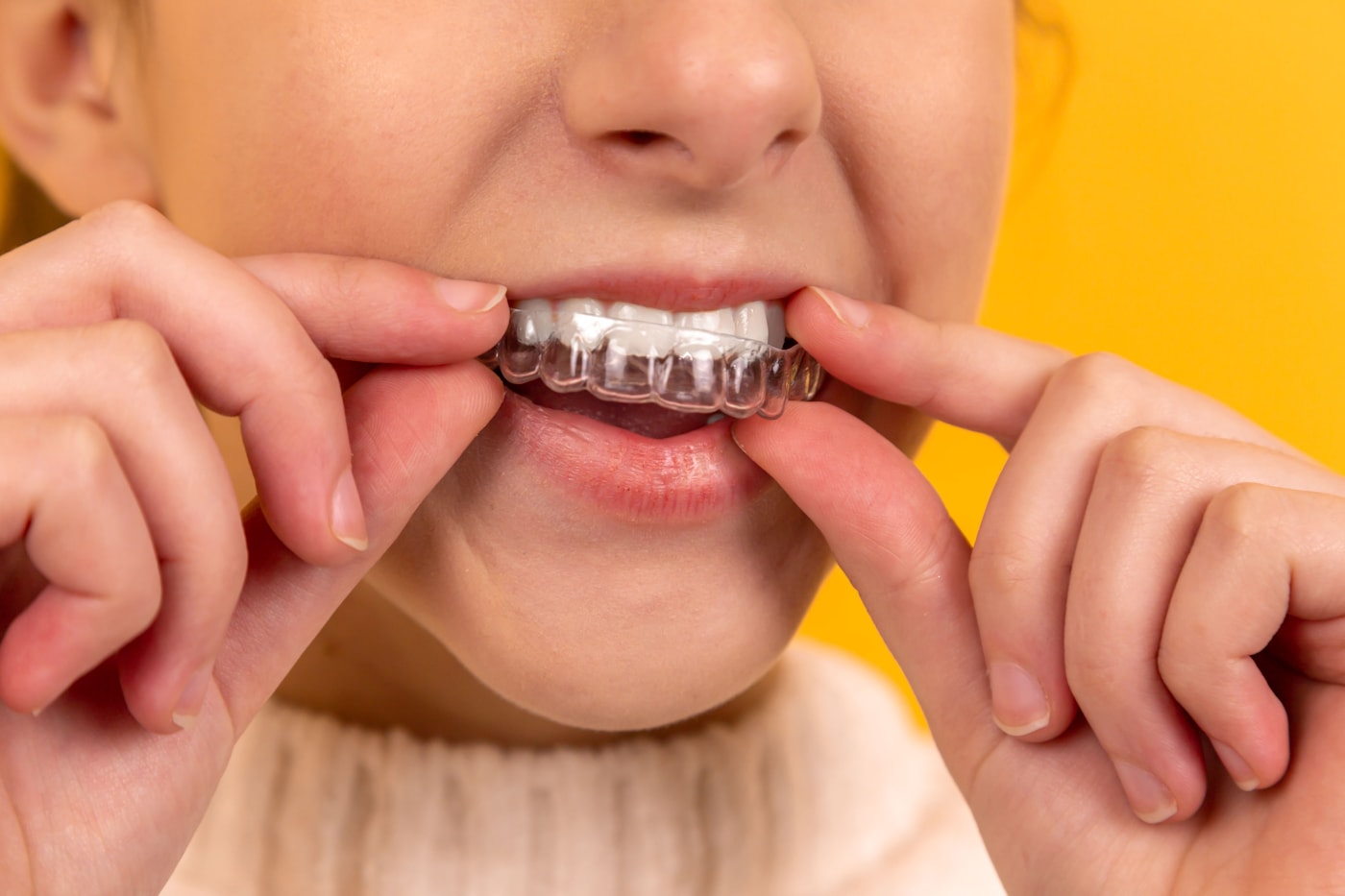
- Aligners or braces: move teeth and improve alignment
- Veneers: change the visible front surface
- Crowns: restore teeth needing greater coverage and support
Planning a natural-looking result
Smile planning considers the face, lips, gums, neighbouring teeth and how the teeth appear both at rest and while smiling. Photographs, scans and trial designs may help the patient preview proportions before definitive treatment.
The goal is not necessarily maximum whiteness or perfectly identical teeth. Texture, translucency, edge shape and small variations can help restorations blend naturally. Patients should discuss the result they want, the amount of tooth preparation and future maintenance before proceeding.
Frequently Asked Questions
Are veneers permanent?
Veneers are long-term restorations, but they may eventually need repair or replacement. If enamel is removed during preparation, that change is irreversible.
Will veneers stain?
Porcelain is relatively stain resistant, while composite can pick up colour and lose polish more readily. Natural teeth around either material can still change shade.
Do veneers require special care?
They need the same consistent brushing, interdental cleaning and dental reviews as natural teeth. Avoid using teeth as tools, and discuss a night guard if you grind.