
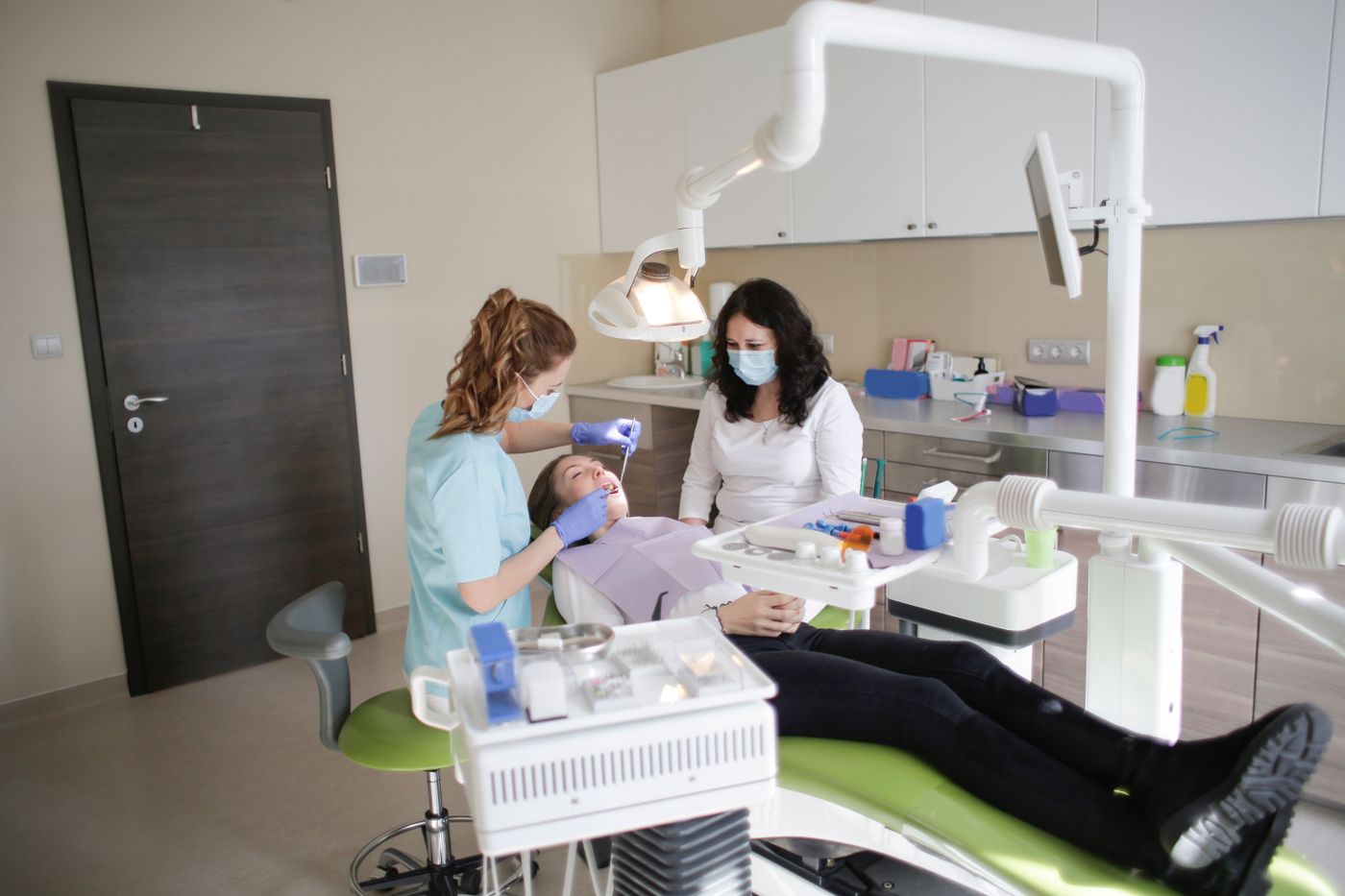
Dentacare describes a smile as more than an expression: it can influence confidence, happiness and self-esteem. Patient journeys are built around listening to concerns, explaining options and creating a treatment plan suited to the individual.
Care beyond the procedure
- A clear conversation about the patient’s concern
- Thoughtful diagnosis and treatment planning
- Comfort and communication during care
- Maintenance guidance after treatment
Every patient and clinical result is different. Photographs and testimonials describe individual experiences and do not guarantee the same outcome for another person.
Why oral health can affect confidence
Dental pain, missing teeth, visible damage and difficulty speaking or chewing can influence how freely a person smiles and participates in daily life. Some patients begin avoiding photographs, social events or particular foods long before they seek help.
A respectful consultation gives the patient room to explain not only what hurts, but what the problem prevents them from doing. That context helps the dentist set priorities and define a result that matters to the individual.
Turning a concern into a care plan
The first stage is diagnosis. The dental team reviews symptoms, medical history, the condition of the teeth and gums and any necessary images. Urgent disease and pain are addressed before elective improvements are planned.
Complex care can be divided into manageable phases. A patient may start with stabilising gum health and decay, then restore function and only later consider aesthetic refinements. Discussing choices, costs, time and maintenance makes the journey more predictable.
- Listen to the patient’s goals
- Control pain and active disease
- Protect teeth that can be preserved
- Restore comfortable function
- Review appearance in the context of health
- Create a long-term maintenance plan
Understanding patient photographs and reviews
Before-and-after images and testimonials can help explain possibilities, but they show one person’s starting condition, treatment and healing. They cannot predict another patient’s result.
Ethical use of patient stories requires consent and honest context. A consultation remains necessary to understand which options are safe, realistic and maintainable for a new patient.
Frequently Asked Questions
Can I ask for treatment in stages?
Yes. Many plans can be prioritised and phased around urgency, healing, time and budget. Ask which steps are essential and which can safely wait.
Will my result look like another patient’s?
Not exactly. Teeth, gums, facial features, health and treatment needs differ. Reference images can communicate preferences but do not guarantee an identical result.
What should I bring to a consultation?
Bring relevant medical information, a medicine list and any previous dental records available. Be ready to explain your main concern and what outcome matters to you.