
Dental veneers are thin, custom-made coverings bonded to the visible surface of selected teeth. They may be considered for certain stains, chips, gaps, worn edges or differences in tooth shape.
What planning considers
- The health of the teeth and gums
- Tooth colour, shape and proportion
- The patient’s bite and grinding habits
- How much tooth preparation may be required
- Maintenance and the possibility of future replacement
Veneers are not the right solution for every smile concern. Whitening, bonding, orthodontics or crowns may be more appropriate depending on the diagnosis.
The veneer treatment journey
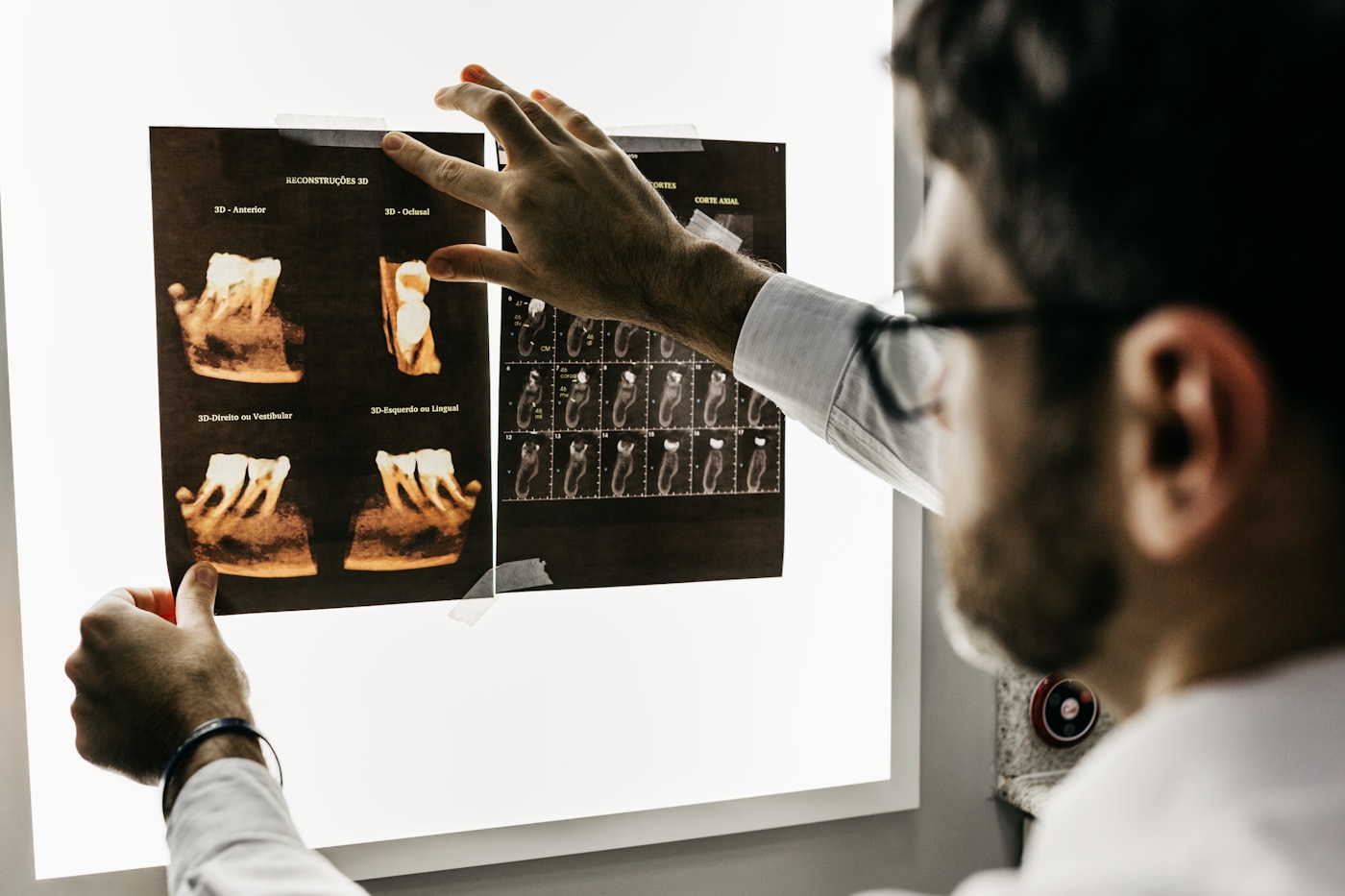
Treatment begins with an oral-health assessment and a discussion of what the patient would like to change. Photographs, scans and shade information help document the starting point. The dentist evaluates enamel, existing fillings, gum levels, alignment and bite.
A trial design or mock-up may be offered before definitive treatment. If preparation is required, it is planned conservatively. An impression or digital scan is used for laboratory-made veneers, and temporary restorations may be placed where appropriate.
Porcelain and composite options
Porcelain veneers are fabricated outside the mouth and can provide stable colour, translucency and surface polish. Composite veneers are built directly or indirectly from resin and may be easier to repair, although they generally stain and wear more readily.
Neither option is automatically better for every patient. The number of teeth, desired change, existing tooth structure, bite, budget and willingness to maintain the result all influence selection.
- Conservative treatment starts with a clear diagnosis
- Healthy enamel supports reliable bonding
- Colour planning should consider neighbouring teeth
- Grinding can increase chipping risk
- Gum health affects the final appearance
- Maintenance and possible replacement should be discussed
Protecting the result
Brush carefully around the gum margins and clean between the teeth daily. Avoid biting hard objects such as ice, pens or packaging. Attend reviews so the dentist can examine margins, gum health and the bite.
A protective appliance may be recommended for patients who clench or grind. Contact the clinic if a veneer feels loose, develops a rough edge or the bite suddenly feels different.
Frequently Asked Questions
Can veneers fix crooked teeth?
They can alter the appearance of mild irregularity, but they do not move tooth roots. Orthodontics may be healthier or more predictable when alignment is significant.
How many veneers do I need?
There is no standard number. It depends on which teeth show when you smile, the concern being treated and how restorations will blend with natural teeth.
Can a veneer be repaired?
Small composite defects may sometimes be repaired. Porcelain damage may require repair or replacement depending on its location and extent.