
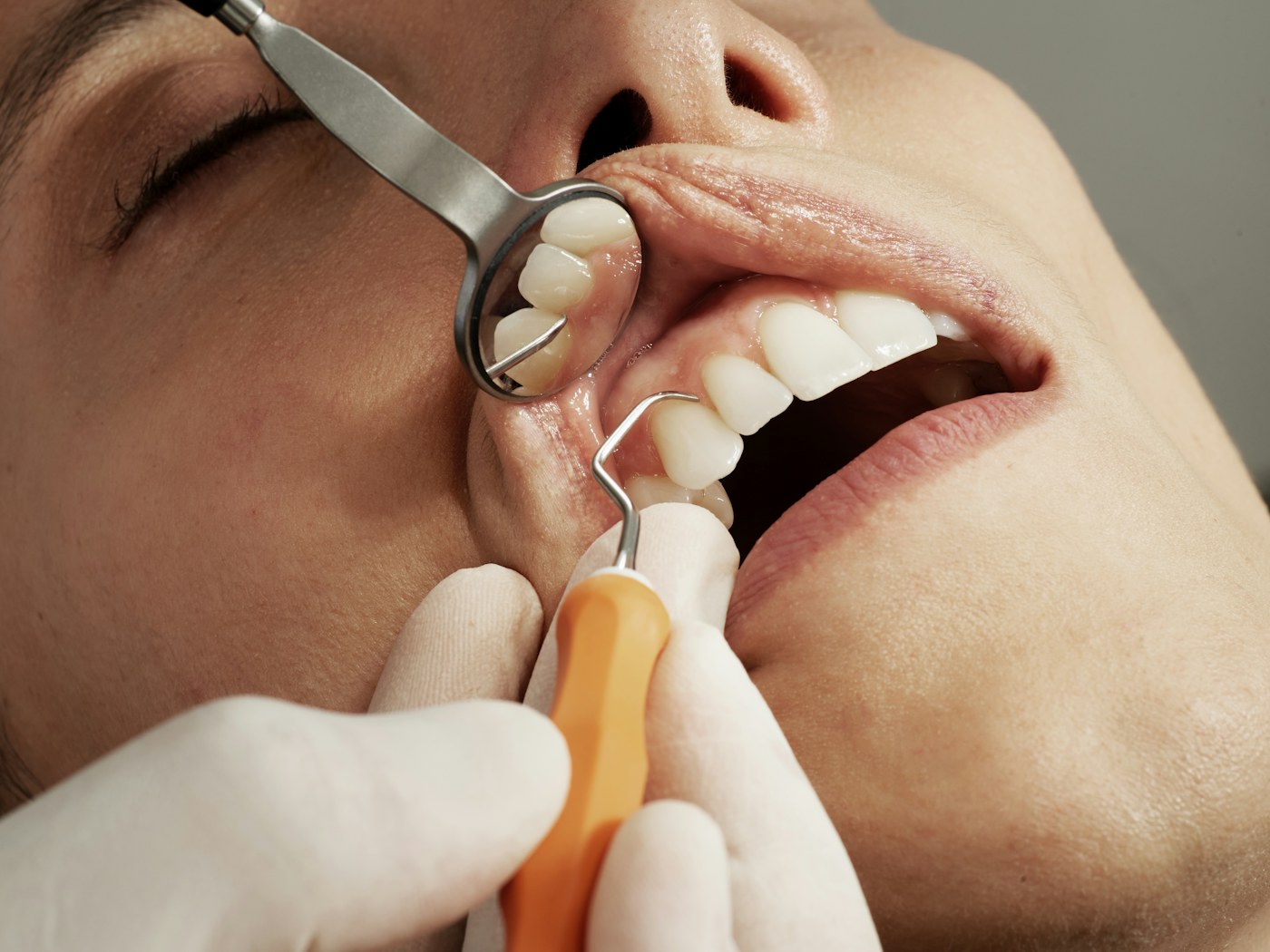
Cavities form when acids produced by plaque bacteria repeatedly attack the tooth surface. Dentacare emphasises that prevention and early diagnosis are the most reliable ways to reduce long-term damage.
Everyday cavity prevention
- Brush twice daily with fluoride toothpaste
- Clean between the teeth each day
- Limit frequent sugary snacks and drinks
- Drink water regularly
- Attend routine dental examinations and professional cleaning
Treatment depends on depth
Early enamel changes may be managed with preventive measures, while a formed cavity generally needs restoration. Deep decay may require root canal treatment or another procedure after examination.
Why some people develop more cavities
Cavity risk is influenced by more than brushing. Frequent sugar exposure, dry mouth, crowded teeth, deep grooves, exposed roots, existing restorations and the balance of bacteria in plaque can all contribute. Certain medicines and health conditions reduce saliva, removing one of the mouth’s natural protective systems.
A useful prevention plan therefore looks at the whole pattern: what a person eats and drinks, how often they snack, whether fluoride reaches every tooth surface and whether there are areas that are difficult to clean.
Build a realistic prevention routine
Brush for two minutes twice a day with fluoride toothpaste, paying attention to the gum line and back teeth. After brushing, spit rather than rinsing repeatedly so fluoride remains in contact with the enamel. Clean between the teeth with floss or another aid suited to the size of the spaces.
The frequency of sugar matters as well as the amount. Repeated sweet drinks, biscuits or sugary tea expose the teeth to multiple acid attacks. Keeping sugary foods to mealtimes and choosing water between meals can lower that frequency.
- Use a soft brush that reaches the back teeth
- Replace a worn toothbrush or brush head
- Ask which interdental aid fits your teeth
- Choose water as the usual between-meal drink
- Attend reviews at the interval recommended for your risk
Professional prevention
A dental examination can identify early mineral loss, plaque-retentive areas and failing restorations before they become painful. Fluoride varnish, sealants for suitable grooves and personalised cleaning guidance may be recommended.
Preventive treatment does not replace home care, and home care cannot repair every formed cavity. The best results come from combining daily habits with timely professional assessment.
Frequently Asked Questions
Is sugar the only cause of cavities?
Sugar feeds acid-producing plaque bacteria, but saliva, fluoride exposure, cleaning, tooth anatomy and frequency of eating also affect risk.
Can adults benefit from fluoride?
Yes. Fluoride supports enamel repair and can be especially helpful for people with exposed roots, dry mouth or a history of frequent cavities.
Why do I get cavities despite brushing?
Technique, interdental plaque, diet frequency, dry mouth and tooth anatomy may be involved. A personalised risk assessment can identify the most useful changes.