
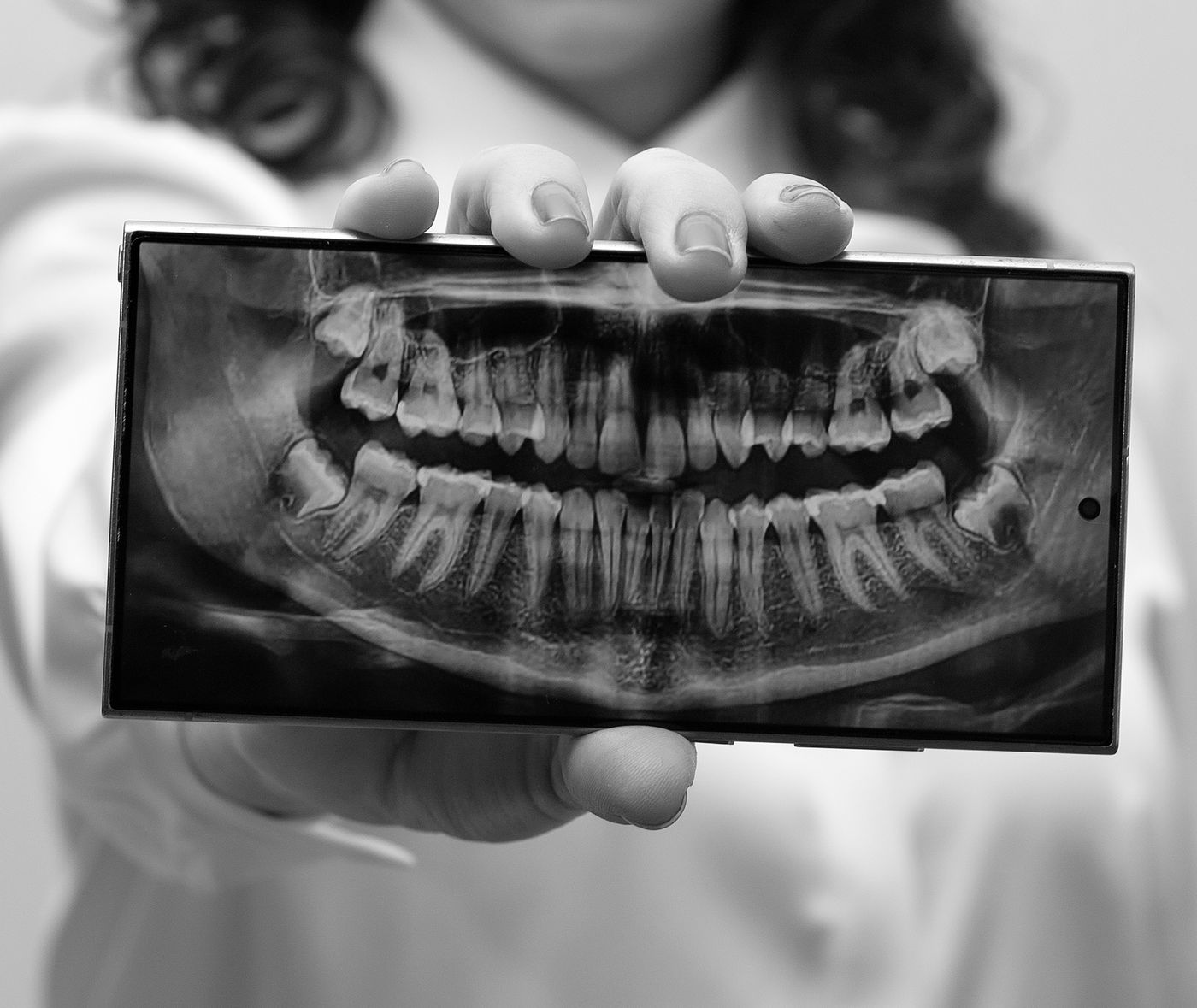
A dental crown covers and protects a prepared tooth. It may be recommended when a tooth is badly broken down, has a large restoration, has received root canal treatment or needs its shape and function restored.
Potential benefits
- Protects weakened tooth structure
- Restores shape and chewing function
- Supports a heavily restored tooth
- Can improve the visible appearance of a tooth
- May form part of a bridge or implant restoration
Choosing a crown
Material selection can include ceramic, zirconia, metal or combinations of materials. The choice depends on the tooth position, bite forces, appearance, available tooth structure and the dentist’s clinical assessment.
When a crown may be recommended
A crown can protect a tooth that has lost substantial structure through decay, fracture or a large restoration. It may also restore a root-canal-treated tooth, form part of a bridge or complete a dental implant.
Coverage is not necessary for every damaged tooth. Direct fillings, inlays, onlays or bonded restorations may preserve more tooth structure in suitable cases. The remaining walls, crack pattern, bite forces and tooth position guide the decision.
Steps in crown treatment
The tooth is prepared to create space and a stable shape for the restoration. An impression or digital scan records the preparation, neighbouring teeth and bite. If the crown is made by a laboratory, a temporary crown usually protects the tooth between visits.
At fitting, the dentist checks the margin, contact with adjacent teeth, bite and appearance. The crown is then bonded or cemented according to the material and clinical design.
- Ceramic can provide a tooth-coloured result
- Zirconia offers high strength in appropriate situations
- Metal-based crowns remain useful in selected cases
- Material choice balances appearance, space and bite force
- A crown protects a tooth but does not make it immune to decay
Caring for a crowned tooth
Clean the gum line and the contact areas every day. Decay can still develop where the crown meets natural tooth, and gum inflammation can compromise comfort and appearance. Special threaders or interdental brushes may help around bridges.
Avoid chewing hard food on a temporary crown and contact the dentist if it dislodges. For a definitive crown, report persistent pain, movement, a bad taste or a change in the bite.
Frequently Asked Questions
How long does a crown last?
There is no fixed lifespan. Material, remaining tooth, bite, cleaning, diet and grinding all matter. Regular review can identify problems early.
Does every root-canal-treated tooth need a crown?
Not every tooth, but back teeth and teeth with major structural loss often benefit from protective coverage. The dentist assesses fracture risk individually.
Why is my crowned tooth sensitive?
Short-lived sensitivity may occur after preparation, but persistent or worsening pain should be assessed to check the bite, pulp and surrounding tissues.